November 16, 2026
A fence can do much more than establish property boundaries or provide privacy. The right design can complement a home's architecture, improve curb appeal, create functional outdoor spaces, and add character to a landscape. With so many materials, styles, and customization options available, homeowners have more opportunities than ever to find fencing that reflects their personal preferences while meeting their practical needs. Working with an experienced fence installer can also help homeowners explore designs that balance appearance, durability, and functionality. From sleek horizontal boards to decorative metal accents, the following fence styles can help transform an ordinary outdoor space into something special.
Explore the Appeal of Horizontal Fence Designs
Horizontal fencing has become a popular choice for homeowners who want a clean, contemporary appearance. Unlike traditional vertical pickets, horizontal fence boards run parallel to the ground, creating long, uninterrupted lines that can make an outdoor area feel more spacious. This design works particularly well with modern and minimalist architecture, although it can also complement more traditional homes when paired with the right materials and finishes.
Wood is a common choice for horizontal fencing because it offers a natural appearance and can be stained in different shades. Dark stains create a sophisticated look, while lighter finishes help maintain a relaxed, natural atmosphere. Homeowners can also adjust the spacing between boards to achieve different levels of privacy and airflow.
A professional fence installer can help determine the appropriate board spacing, height, and support structure for a horizontal design. Since horizontal boards may require specific installation considerations to maintain their appearance and stability, proper planning is important. With thoughtful material selection and installation, this style can create a striking backdrop for gardens, patios, and outdoor entertaining areas.
Discover the Benefits of Modern Vinyl Fencing
Vinyl fencing offers another option for homeowners who want an attractive outdoor boundary without extensive maintenance requirements. Available in several colors, heights, and configurations, vinyl can complement a variety of architectural styles. While traditional white vinyl remains a familiar choice, contemporary options include darker colors, textured finishes, and designs that resemble natural wood.
One advantage of vinyl is its resistance to many common outdoor concerns, including moisture, rot, and insect damage. Unlike wood, it does not require routine staining or painting. Occasional cleaning can help maintain its appearance, making it a practical option for homeowners who prefer to spend less time maintaining their fencing.
Vinyl fencing is also worth considering from a long-term investment perspective. According to Bob Vila, it's estimated that a quality vinyl fence averages a 60% return on investment for homeowners. While actual returns depend on factors such as property location, fence condition, and market conditions, this figure highlights the potential value of choosing a durable, attractive material.
A knowledgeable fence installer can explain the available vinyl styles and help homeowners select an option that works with their property's layout. From full-privacy panels to decorative picket designs, vinyl provides flexibility without sacrificing a polished appearance.
Incorporate Natural Elements With Wood Fencing
Wood fencing continues to be a popular choice because of its versatility and timeless appeal. Although it has been used for generations, modern wood fence designs offer plenty of opportunities for customization. Homeowners can experiment with different board arrangements, finishes, heights, and decorative details to create a fence that feels both functional and distinctive.
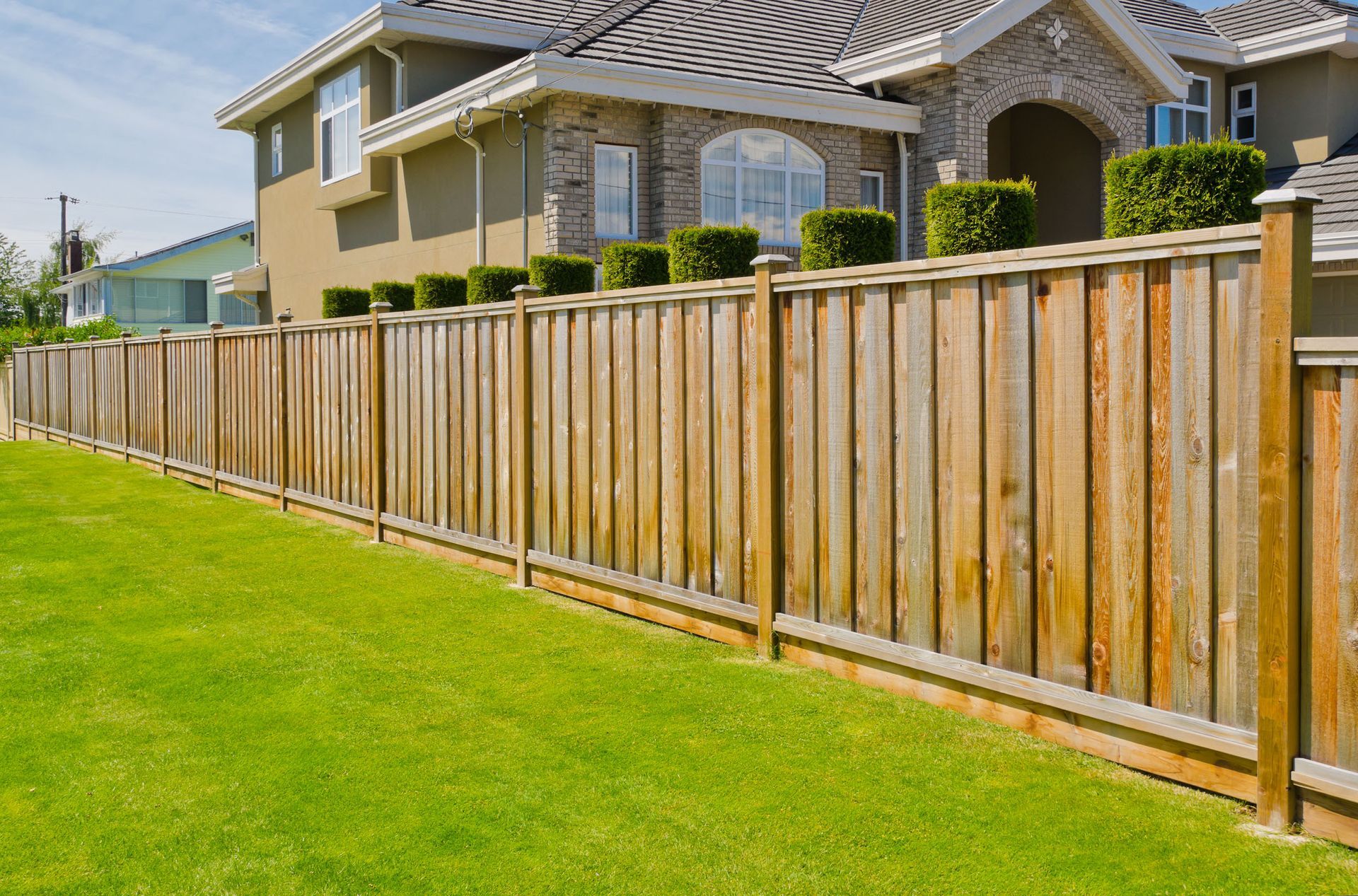
One contemporary approach involves combining wood with other materials. For example, wooden panels framed by dark metal posts create an interesting contrast between natural textures and industrial-inspired accents. Another option is a board-on-board design, which uses overlapping boards to provide privacy while adding visual depth to the fence.
The natural appearance of wood also makes it a great addition to landscaped properties. Cedar and other commonly used fencing woods can complement trees, garden beds, stone pathways, and outdoor seating areas. Different stain colors allow homeowners to coordinate the fence with decks, pergolas, and other exterior features.
Because wood can be affected by moisture, sunlight, and changing temperatures, selecting appropriate materials and installation methods is essential. An experienced fence installer can help homeowners evaluate their options and create a design suited to their property's conditions. Regular maintenance, including cleaning, staining, or sealing when appropriate, can also help preserve the fence over time.
Create a Sophisticated Look With Metal Fencing
Metal fencing provides a sleek appearance that works particularly well for homeowners who want to define their property without completely obstructing the surrounding view. Aluminum and steel are common choices, offering different combinations of appearance, strength, and maintenance requirements.
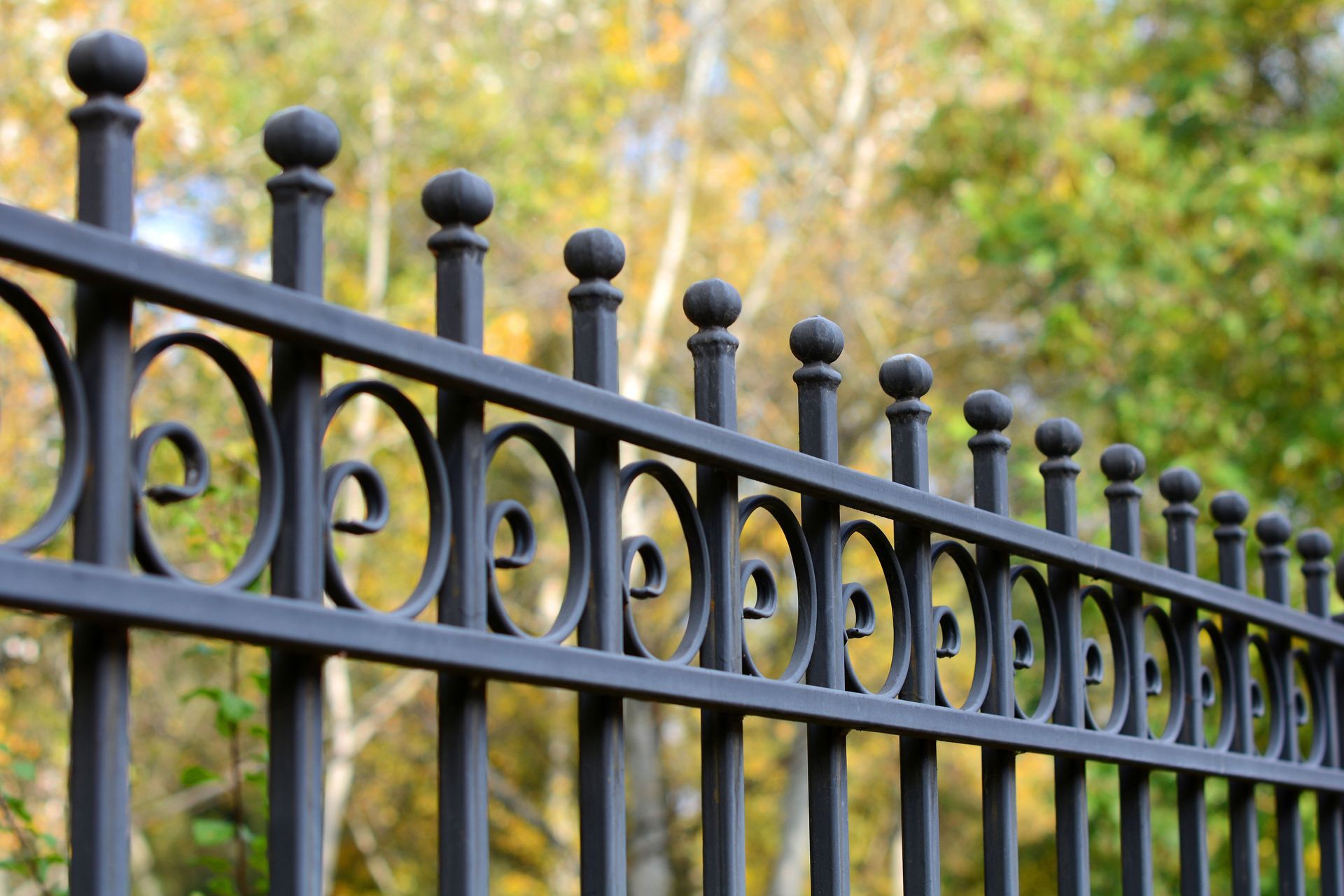
Aluminum fencing is often selected for its lightweight construction and resistance to rust. It can create a clean, elegant boundary around front yards, gardens, and swimming pools. Many aluminum designs feature narrow vertical pickets, decorative finials, and simple horizontal rails. These details provide visual interest while maintaining an open appearance.
Steel fencing offers another option for properties that require a more substantial structure. Its strength makes it suitable for applications where security and durability are priorities. Depending on the design and protective finish, steel can also contribute to a contemporary or traditional exterior.
For homeowners interested in modern landscaping, black metal fencing can create a particularly attractive contrast against green lawns, colorful plants, and light-colored exterior materials. A fence installer can help determine which metal option is appropriate for the intended application, taking factors such as maintenance, exposure, and desired appearance into account.
Add Character With Mixed-Material Fence Designs
Combining different fencing materials is an effective way to create a distinctive outdoor feature. Rather than relying on one material throughout the entire structure, mixed-material designs use contrasting textures and finishes to add dimension and visual interest.
Wood and metal are among the most common combinations. For instance, horizontal wooden boards can be installed between dark metal posts to create a contemporary appearance. The natural warmth of the wood balances the sharper lines of the metal, resulting in a design that feels modern without appearing overly industrial.
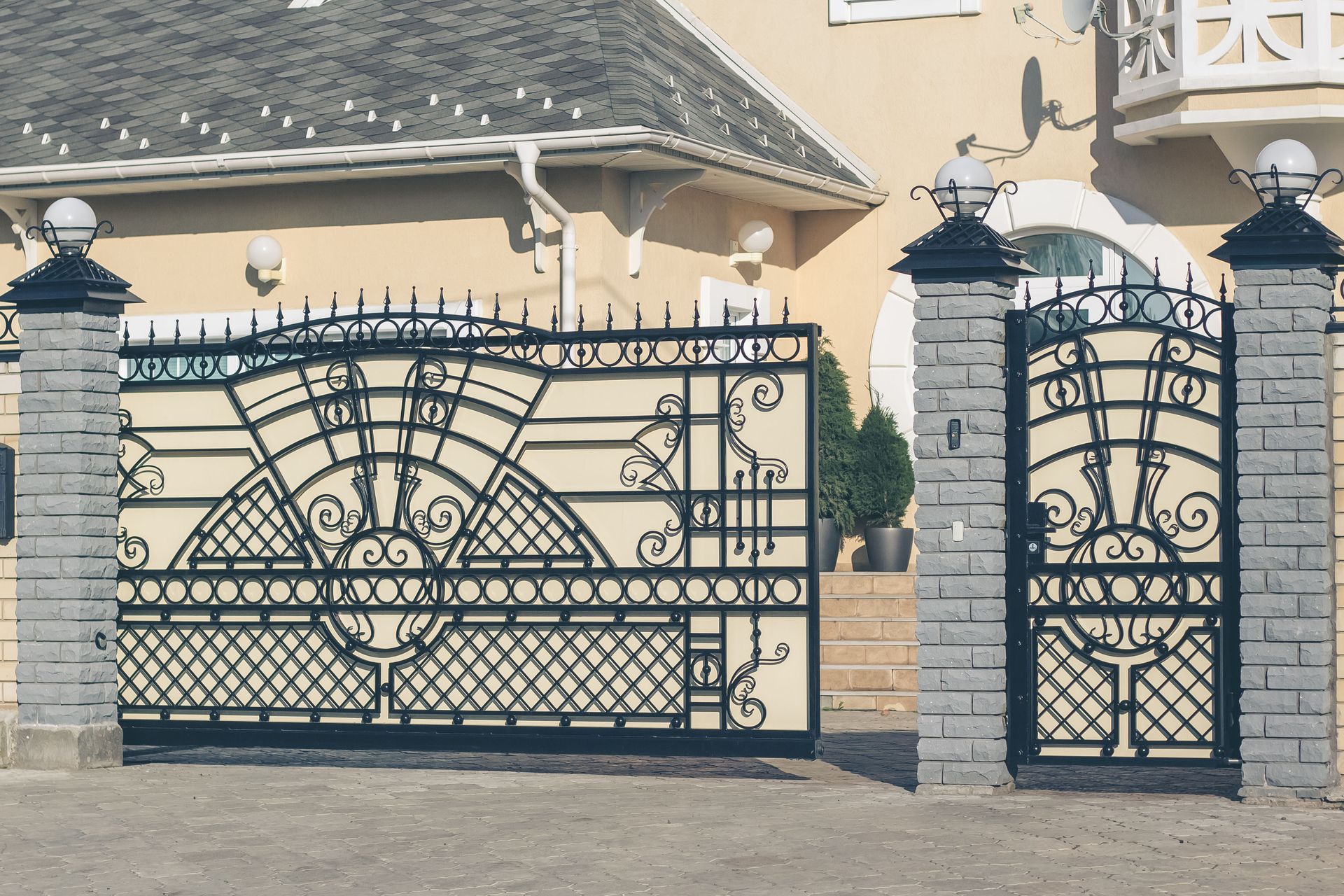
Stone and wood can also work well together. Stone pillars placed between wooden fence sections create a substantial, established appearance that complements many residential landscapes. Similarly, incorporating masonry columns into a metal fence design can add architectural detail and help distinguish the property.
These combinations are especially useful when homeowners want their fencing to coordinate with other outdoor features. Materials can be selected to complement existing retaining walls, patios, decks, and exterior finishes.
Since mixed-material designs involve multiple components, careful planning is necessary to ensure the sections work together structurally and visually. A professional fence installer can help coordinate material choices, measurements, and installation details to create a cohesive finished design.
Improve Privacy With Contemporary Fence Panels
Privacy remains one of the primary reasons homeowners invest in fencing, but a functional barrier does not have to look plain or outdated. Modern privacy fence designs incorporate decorative details and thoughtful layouts that provide seclusion while enhancing the surrounding landscape.
Full-height horizontal or vertical panels are popular choices for creating private outdoor spaces. These designs can help block views from neighboring properties, establish boundaries, and make patios or backyards feel more comfortable. Homeowners can also choose decorative top sections, alternating board patterns, or lattice accents to introduce additional character.
The placement of privacy fencing is just as important as its appearance. Homeowners may want to enclose an entire backyard or create a smaller screened area around a patio, hot tub, or outdoor dining space. A
fence installer can help evaluate the property's dimensions and identify practical placement options that support the intended use of the space.
Modern fencing provides homeowners with numerous ways to improve the appearance, privacy, and functionality of their outdoor spaces. Whether choosing horizontal wood boards, low-maintenance vinyl, decorative metal, or a combination of materials, the right design can complement a property's architecture and create a more inviting environment. Decorative details and thoughtful placement can further personalize the finished result. By considering their goals, maintenance preferences, and existing landscape, homeowners can identify a style that meets their needs. Partnering with an experienced fence installer can help bring those ideas together through careful planning and professional installation, resulting in a fence that adds lasting appeal to the property.