September 16, 2026
Choosing a new fence can have a significant impact on the appearance, privacy, security, and functionality of a home. With several materials available, homeowners may find it difficult to determine which option best fits their property and long-term needs. Wood, vinyl, aluminum, and chain link fencing each offer different advantages and considerations. The right choice often depends on factors such as budget, maintenance preferences, desired appearance, and the purpose of the fence. Some homeowners prioritize privacy, while others are more interested in defining property boundaries or improving curb appeal. Climate and local environmental conditions can also influence how certain materials perform over time. Understanding the differences between common fencing materials can make the selection process easier and help homeowners feel more confident about their investment. Before beginning a project, it is helpful to compare the available options and consider how each one will support the property's specific needs.
Comparing the Classic Appeal of Wood
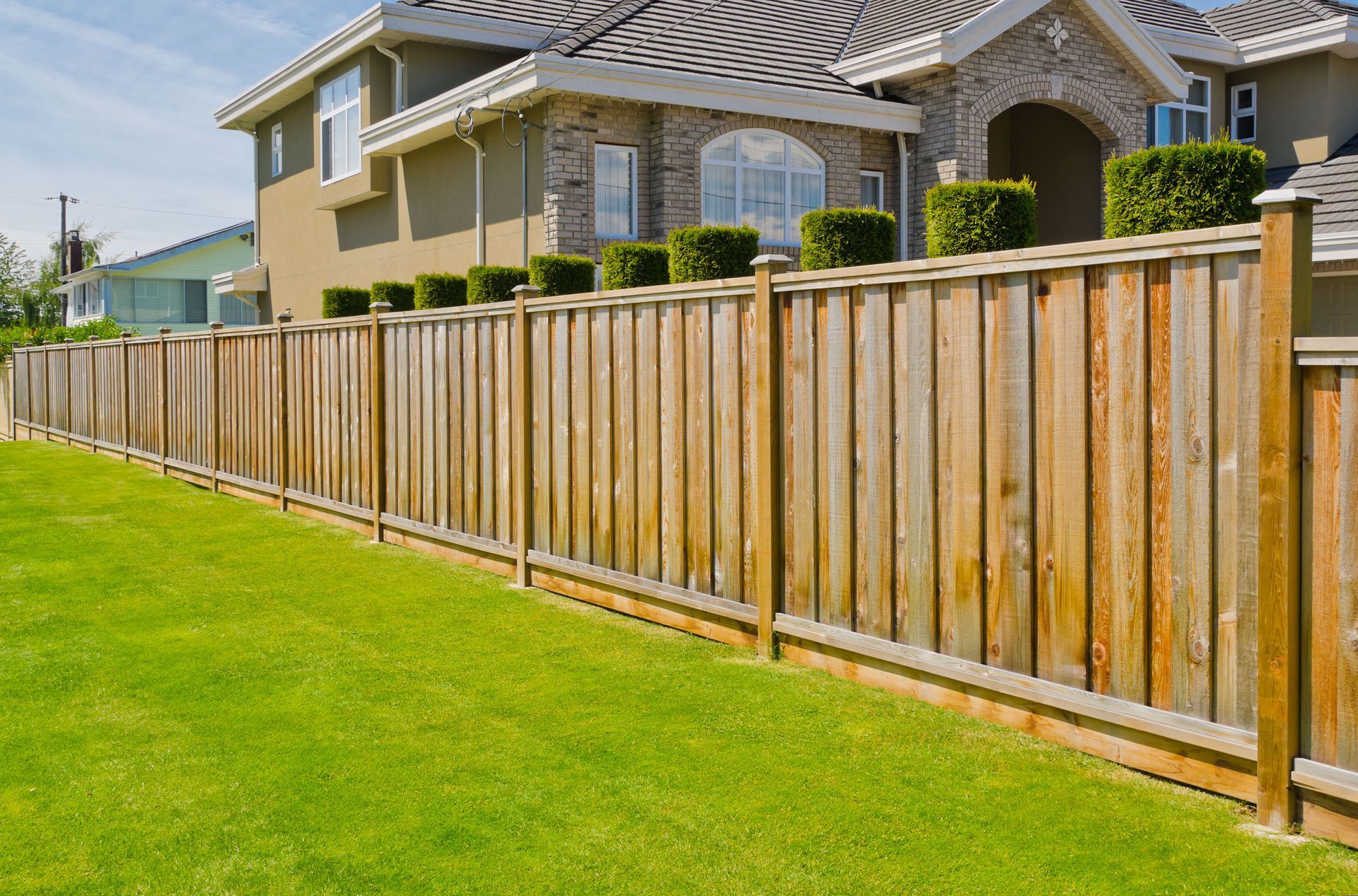
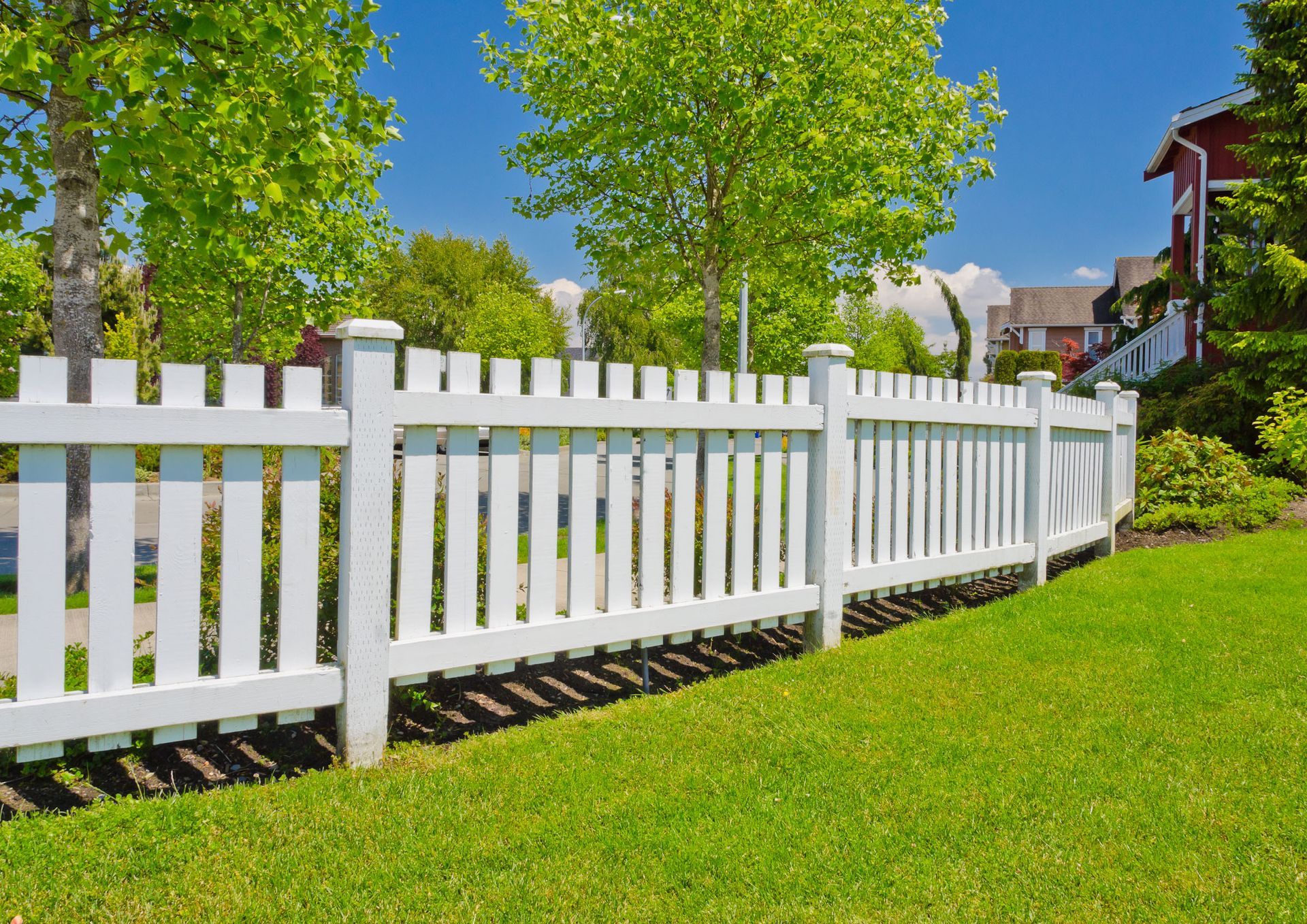
Wood fencing remains a popular choice because of its natural appearance and versatility. It can complement many different architectural styles and landscape designs. Homeowners can choose from various wood types, finishes, heights, and styles to create a customized look. Privacy fences, picket fences, and decorative designs can all be created using wood materials. The material can also be painted or stained to match other exterior features around the home. However, wood typically requires ongoing maintenance to protect it from moisture, insects, and normal weather exposure. Homeowners may need to periodically clean, stain, seal, or repair sections to maintain the fence's appearance and condition. Fence builders can help homeowners determine whether wood is appropriate for their property and recommend a design that meets their goals.
Considering the Low Maintenance of Vinyl
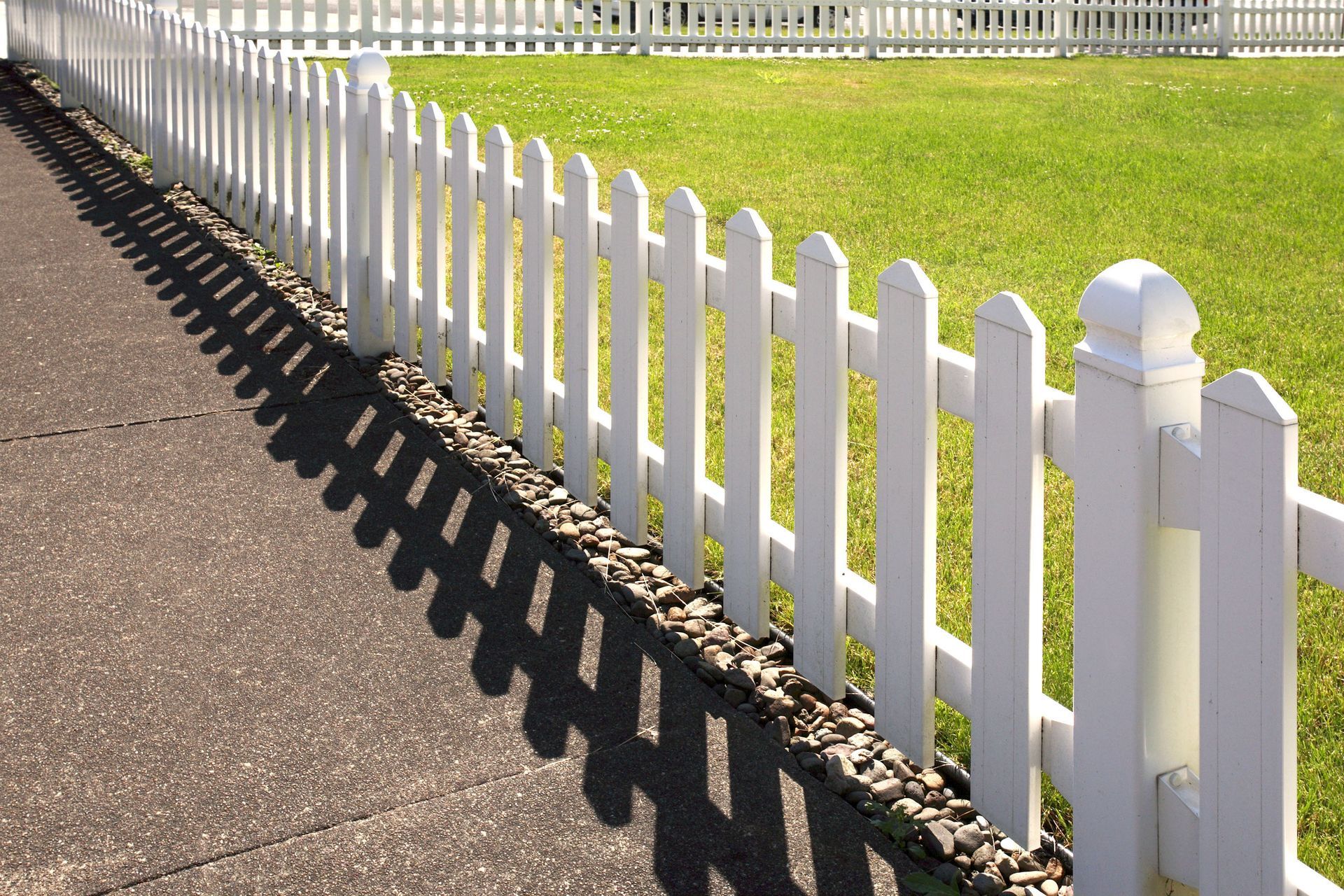
Vinyl fencing is often selected by homeowners who want a clean appearance without the same level of maintenance associated with natural wood. The material does not typically require painting or staining to maintain its original color. Routine cleaning can help remove dirt and other buildup from the surface. Vinyl is also available in several styles, including privacy, picket, and decorative options. Homeowners can choose designs that provide a traditional appearance while benefiting from a more modern material. According to The Spruce, vinyl fences are commonly selected in heights ranging from four to six feet, although both shorter and taller options are generally available. The available height should be considered carefully based on privacy needs, property layout, and local requirements. Before making a final decision, homeowners can work with fence builders to explore vinyl styles that complement their homes and provide the desired level of coverage.
Evaluating the Durability of Aluminum
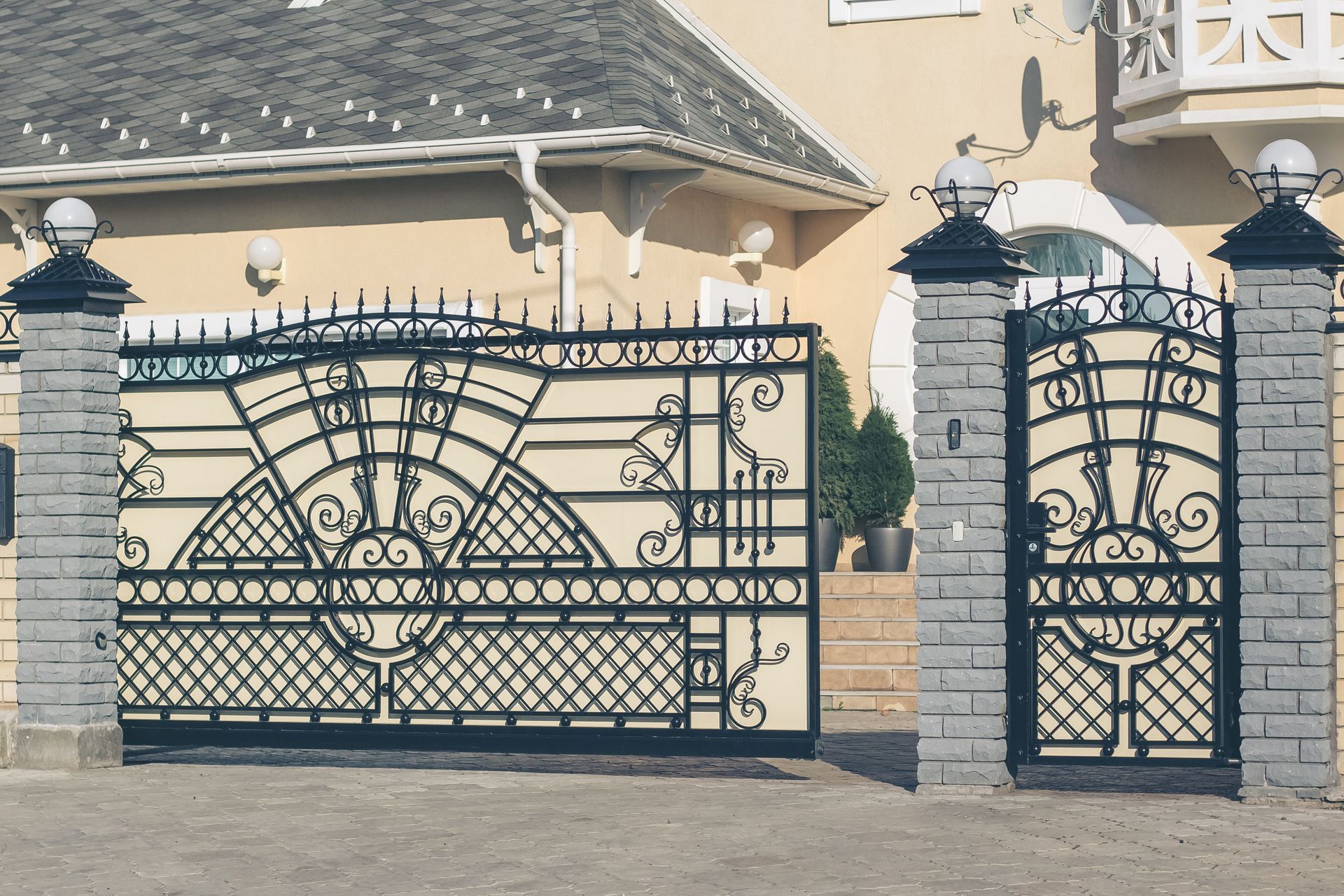
Aluminum fencing offers a combination of durability and visual appeal that works well for many residential properties. Its sleek appearance can provide a more open look than solid privacy fencing. This material is often used around yards, gardens, pools, and other areas where homeowners want to establish boundaries without completely blocking the view. Aluminum can be available in a variety of colors and decorative designs. The material is also known for requiring relatively little maintenance compared with some other fencing options. Unlike wood, it does not need regular staining or sealing to maintain its appearance. Homeowners should consider whether an open-style fence will provide enough privacy and security for their specific property. Experienced fence builders can explain the available aluminum options and help homeowners decide whether this material fits their functional and aesthetic goals.
Assessing the Practicality of Chain Link
Chain link fencing is often considered a practical choice for homeowners who need to establish a clear boundary around their property. It can provide visibility while helping contain children or pets within a designated area. The material is generally recognized for its durability and straightforward design. Chain link fencing may also be a useful option for larger properties where covering a significant amount of ground is necessary. Modern options can include different coatings and colors that create a more refined appearance than traditional galvanized materials. Privacy slats may also be added in certain situations to reduce visibility through the fence. However, chain link does not offer the same level of decorative appeal as materials such as wood, vinyl, or aluminum. Homeowners should discuss their priorities with fence builders to determine whether the affordability and practicality of chain link outweigh its more industrial appearance.
Balancing Privacy and Visibility
One of the most important considerations when selecting a fence is determining how much privacy the property requires. Solid fencing materials such as wood and vinyl can create separation between a home and neighboring properties. These options may be particularly useful for backyards, patios, pools, and other outdoor living spaces. Open materials like aluminum and chain link provide boundaries without completely obstructing views. This can be beneficial for homeowners who want to maintain visibility across their property or highlight landscaping features. The layout of the yard and the location of neighboring homes can influence which level of privacy is most appropriate. Homeowners should also consider whether they want the same fencing style around the entire property or different solutions for separate areas. Understanding the desired balance between privacy and visibility can make narrowing down material options much easier.
Considering Maintenance and Longevity
Every fencing material has different maintenance requirements that should be considered before installation. Wood may require the most ongoing attention because exposure to rain, sunlight, insects, and temperature changes can affect its condition. Vinyl and aluminum generally require less maintenance, making them appealing to homeowners with busy schedules. Chain link fencing can also provide long-lasting performance with relatively simple upkeep. However, the expected lifespan of any fence can depend on installation quality, environmental conditions, and regular care. Homeowners should think about how much time and effort they are willing to dedicate to maintaining their investment.
Fence builders can provide information about the care requirements associated with different materials and designs. Choosing a material that aligns with long-term maintenance expectations can help prevent future frustration and unexpected expenses.
Matching the Fence to Your Home
A fence should complement the overall appearance of the home rather than appearing disconnected from the property. Homeowners can consider the architectural style, exterior colors, landscaping, and existing outdoor features when selecting materials. A traditional home may look appealing with a classic wood or decorative aluminum fence. Modern properties may pair well with sleek vinyl designs or contemporary fencing styles. The surrounding neighborhood can also influence the type of fence a homeowner prefers. While functionality should remain a priority, visual appeal can contribute to the property's overall curb appeal. Choosing the right color, height, and design can help the fence feel like a natural extension of the home. Taking time to compare styles can result in a finished project that enhances both the property and the homeowner's enjoyment of the outdoor space.
Selecting the right fencing material involves considering several factors rather than simply choosing the option that looks best at first glance. Wood provides a classic and customizable appearance, while vinyl offers a low-maintenance alternative. Aluminum can create an elegant boundary without obstructing views, and chain link provides a practical solution for many properties. Each material has its own strengths, maintenance requirements, and design possibilities. Homeowners should consider how the fence will be used and which features are most important for their daily needs. Privacy, durability, appearance, maintenance, and budget can all play a role in the final decision. Comparing these factors carefully can help property owners select a fencing solution that supports their goals. With thoughtful planning, a new fence can improve both the functionality and appearance of a home for years to come.
Ready to find the right fencing solution for your property? Contact Fence Dynamics today to discuss your options and work with experienced professionals who can help bring your fencing vision to life.